
The Youth Box
A proposed community center in Downtown Honolulu, built to give LGBTQ+ and other disenfranchised youth a place that finally feels like theirs.
Originally developed as an undergraduate thesis at Chaminade University of Honolulu (2015–16). A concept project never commissioned or built.
Placemaking and Branding:
Research & Analysis, Social Service Program Development, Spatial Experience and Brand Expression.
Challenge
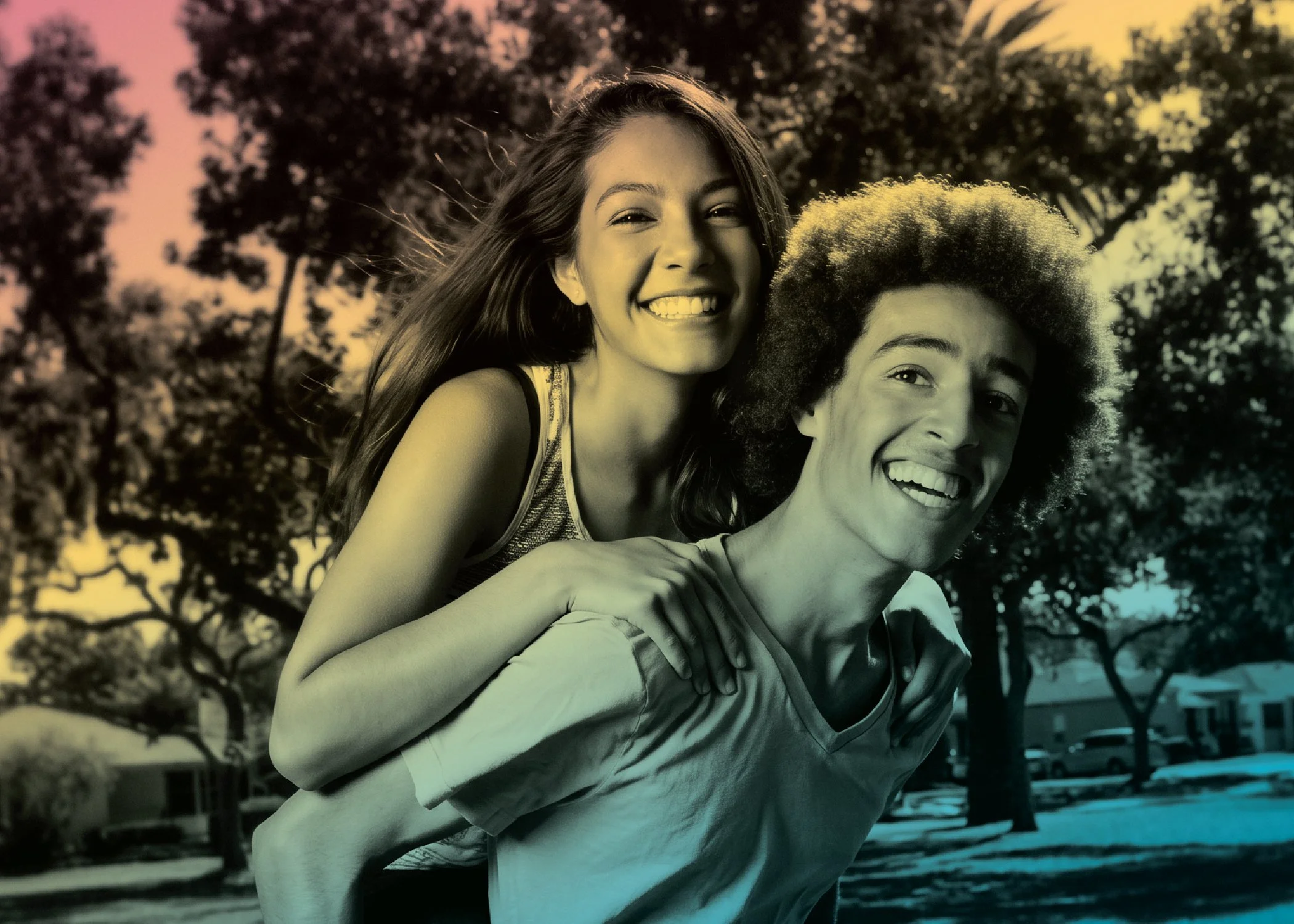
Too many youth are learning to hide who they are and quietly carry a lot of weight. Domestic violence, discrimination, and the daily grind of not fitting in push many of them out of their own communities and into isolation. LGBTQ+ youth feel this most sharply. National research has found that nearly half of LGBTQ+ identified teens don't feel like they fit within their own communities, even as broader tolerance grows.
Honolulu has no shortage of youth programs, but none address this gap directly. The Gay-Straight Alliance of Hawaii connects students through schools but has no physical home. The city's one LGBTQ+ center mostly serves adults. Hale Kipa's drop-in center is open only a few days a week, and mostly for youth already experiencing homelessness.
Between these gaps, LGBTQ+ and other marginalized youth are left to find their own way, without a space built with them in mind. The question became: how do you design a place where these youth can show up as themselves, safely?
Task
Design The Youth Box and its Storied Rainbows Project as a safe space that promotes inclusivity and diversity, offering programs that address young people's needs around gender identity, sexual orientation, ethnicity, and cultural diversity (both social and economic). As the LGBTQ+ community continues to integrate and become the new normal, there may no longer be a need to create exclusive services for its youth population, but rather to develop programming that supports their needs and the needs of other marginalized youth.
Solution
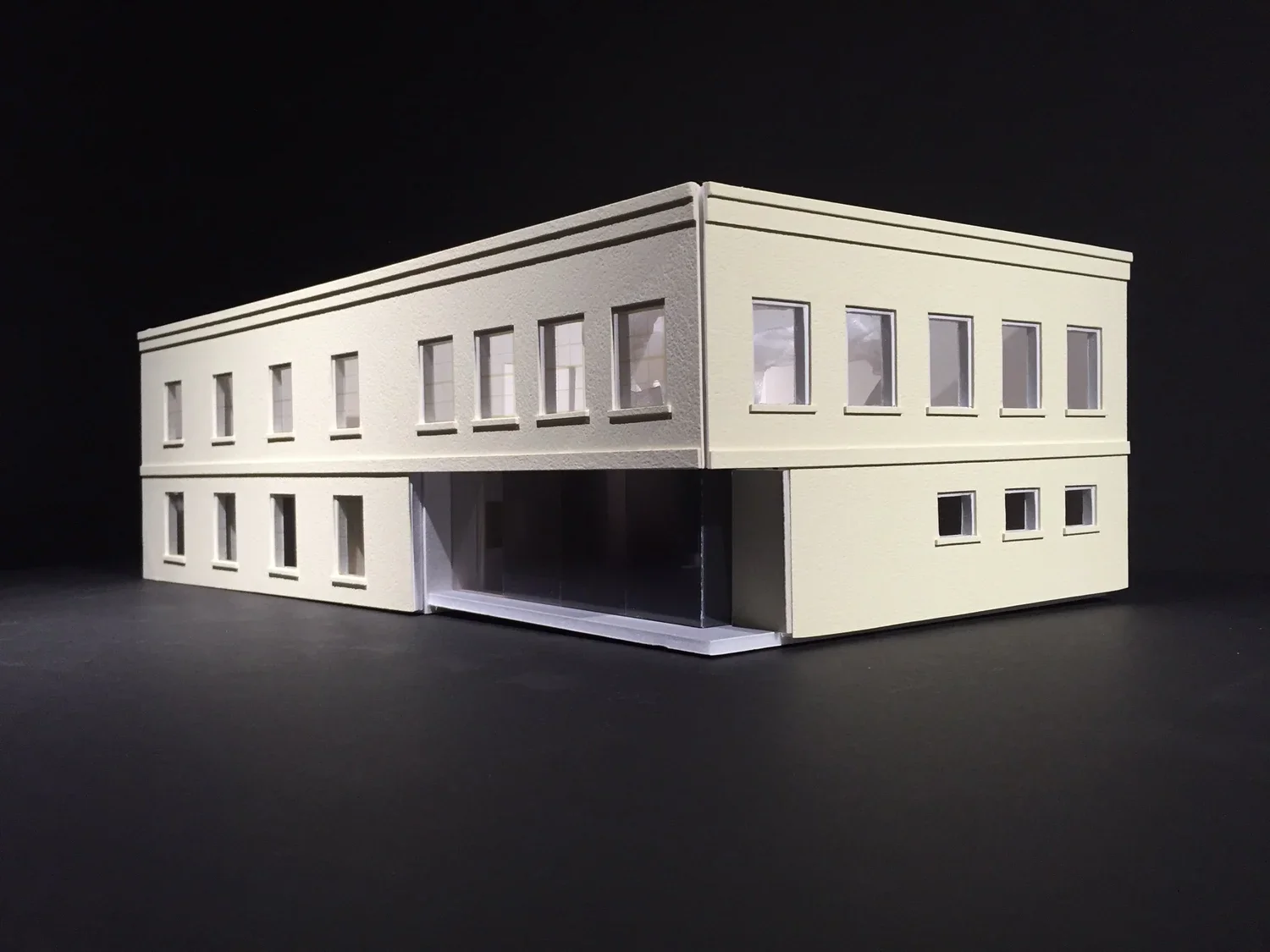
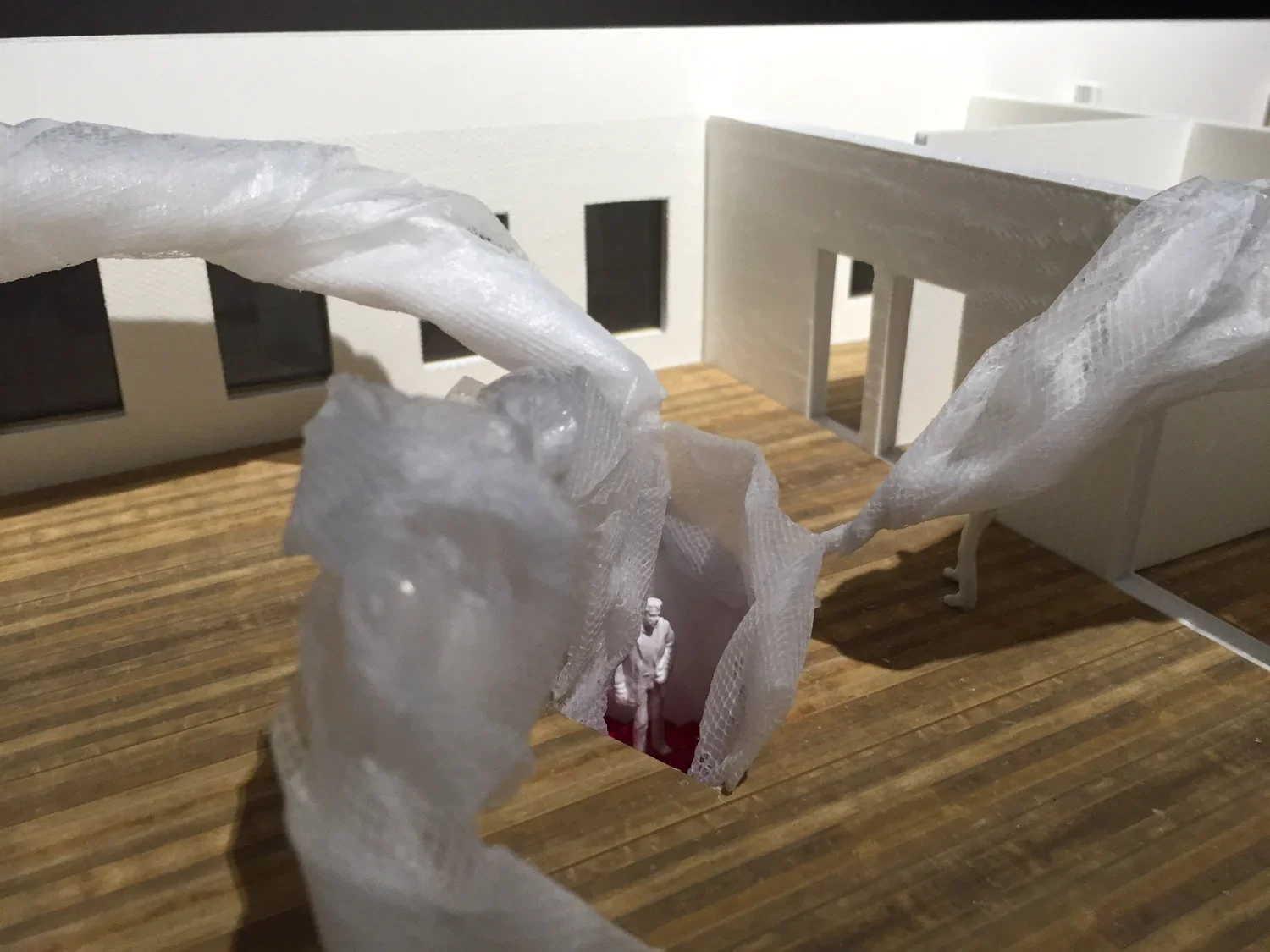
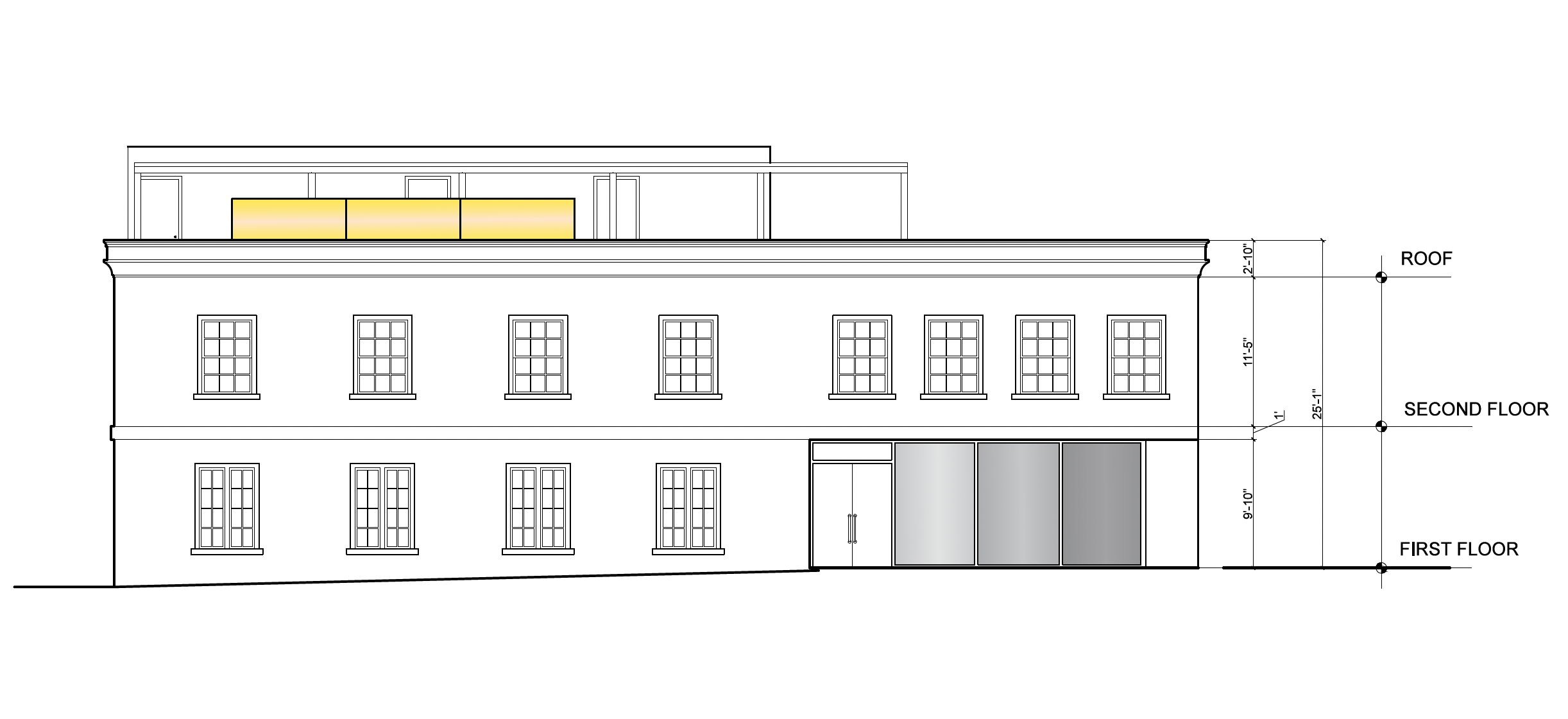
The Youth Box is proposed as a home built around storytelling, arts, and belonging at the Melcher's Building in Downtown Honolulu, a former 1854 retail storefront later used by the City and County of Honolulu and, most recently, its Department of Community Services. Reworked into a 9,061-square-foot community center, The Youth Box is designed around individuality and creativity as tools for healing, giving disenfranchised youth a facility built specifically for them.
Intervention
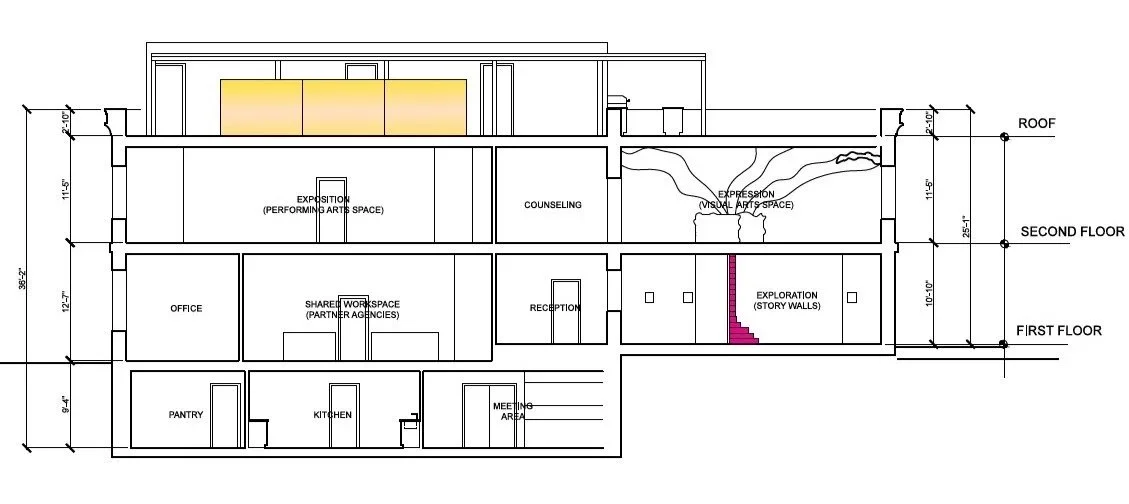
At its center is the Storied Rainbows Project, a three-phase experience that walks youth from safety to belonging to self-actualization, drawing directly on Maslow's hierarchy of needs:
Exploration (Safety): Visitors watch or listen to other youths' stories of overcoming adversity in a welcoming space, no commitment required.
Expression (Belonging & Esteem): Hands-on creative and therapeutic arts work builds the trust that turns curiosity into genuine self-expression.
Exposition (Self-Actualization): Youth take a public stage through art shows, performances, and events, standing behind their own story.
The Youth Box pairs the Storied Rainbows Project with a small network of partner agencies, including the Life Foundation, GSA Hawaii, the Honolulu Museum of Art, the University of Hawaii, Waikiki Health, and Youth Speaks National, which bring counseling, medical care, mentorship, and arts programming into the building. Their office rentals also help keep the facility financially sustainable over the long term.
Spatial Experience
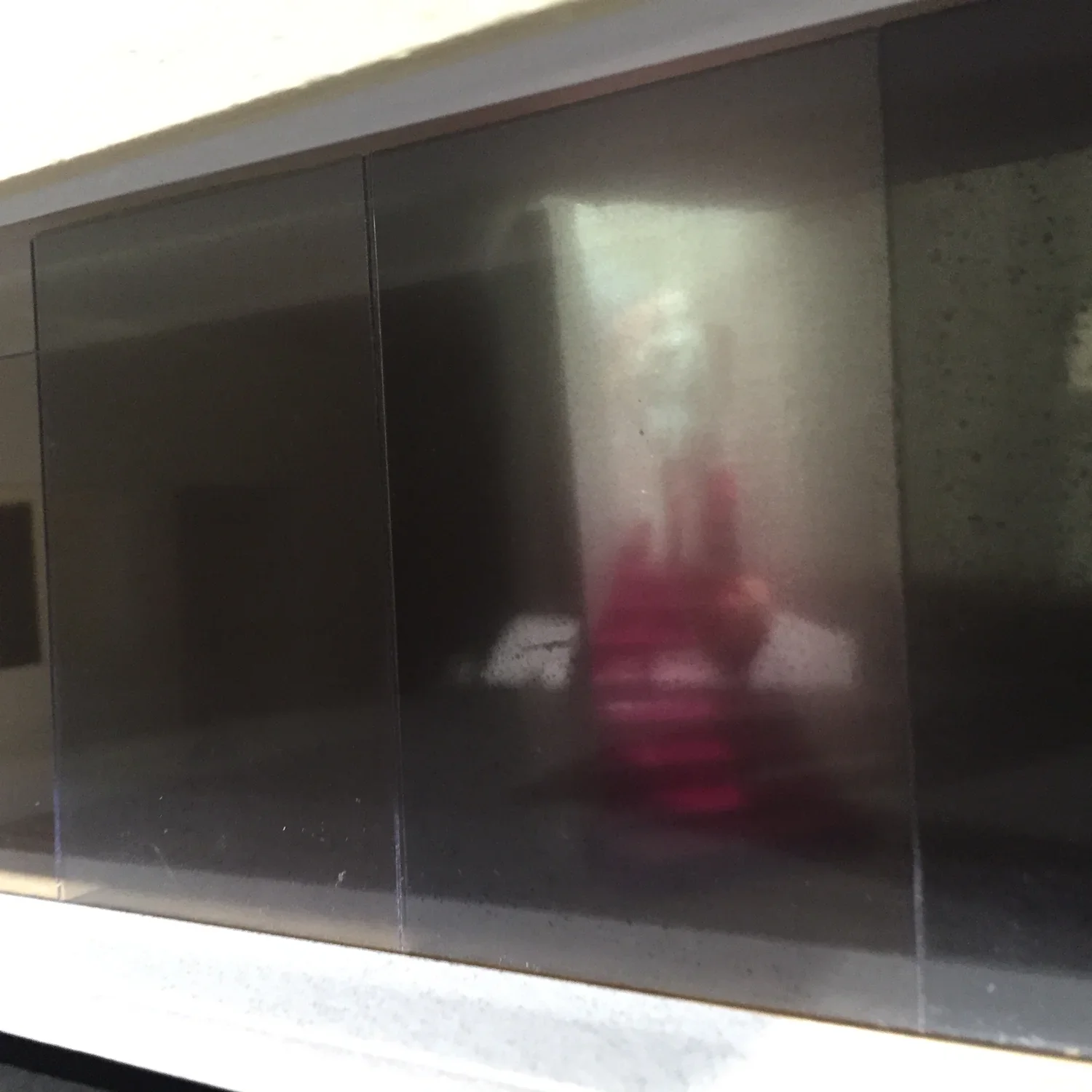
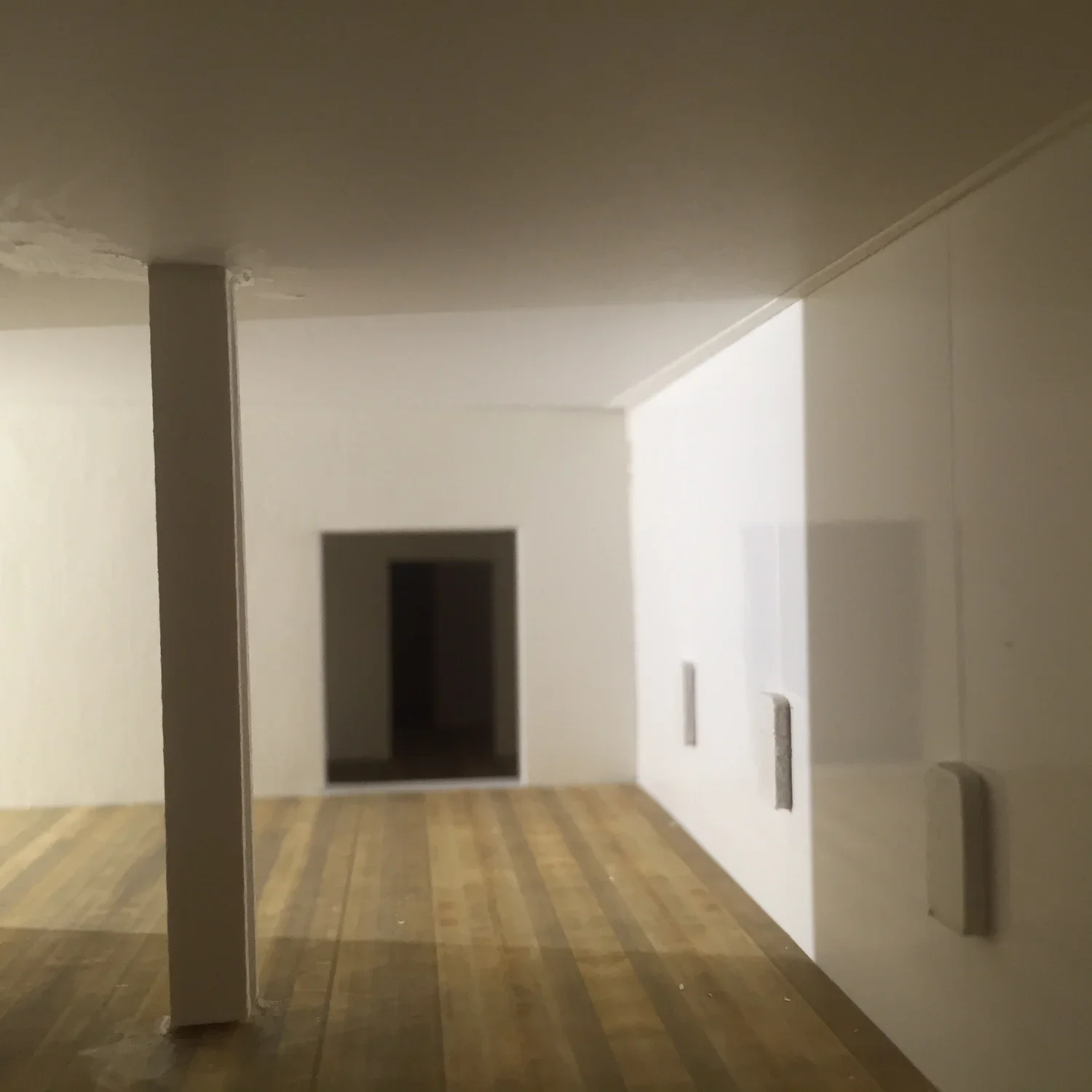
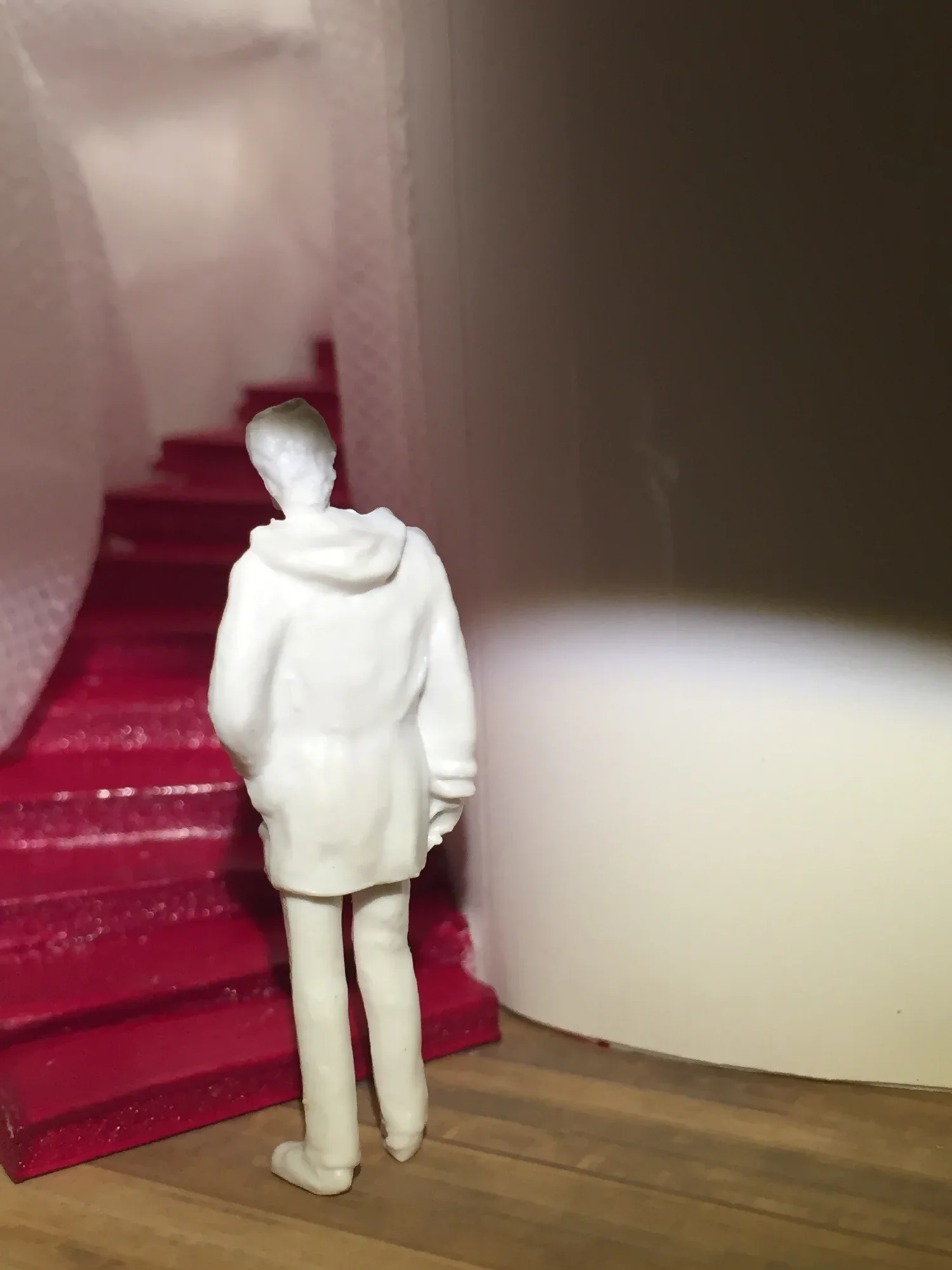
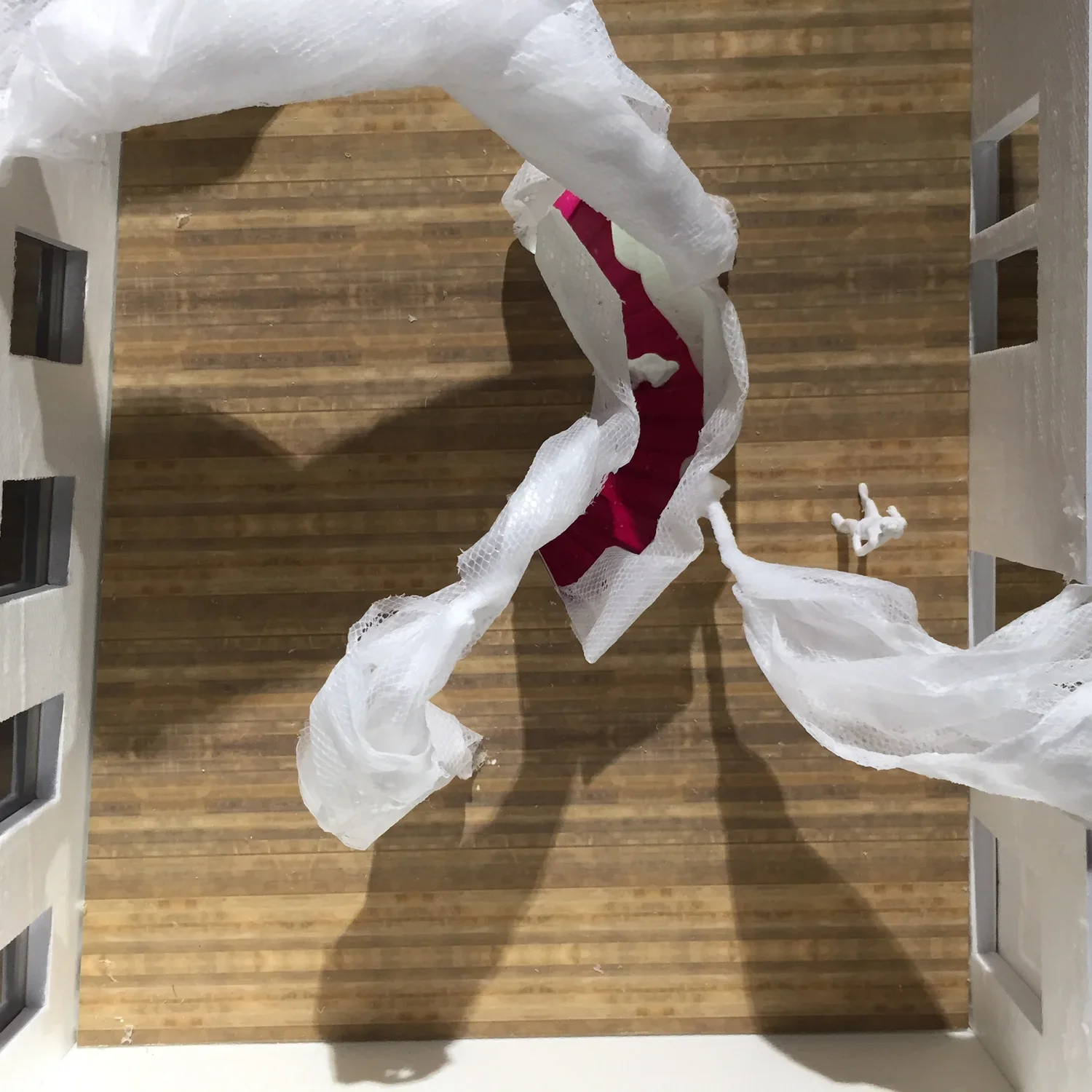
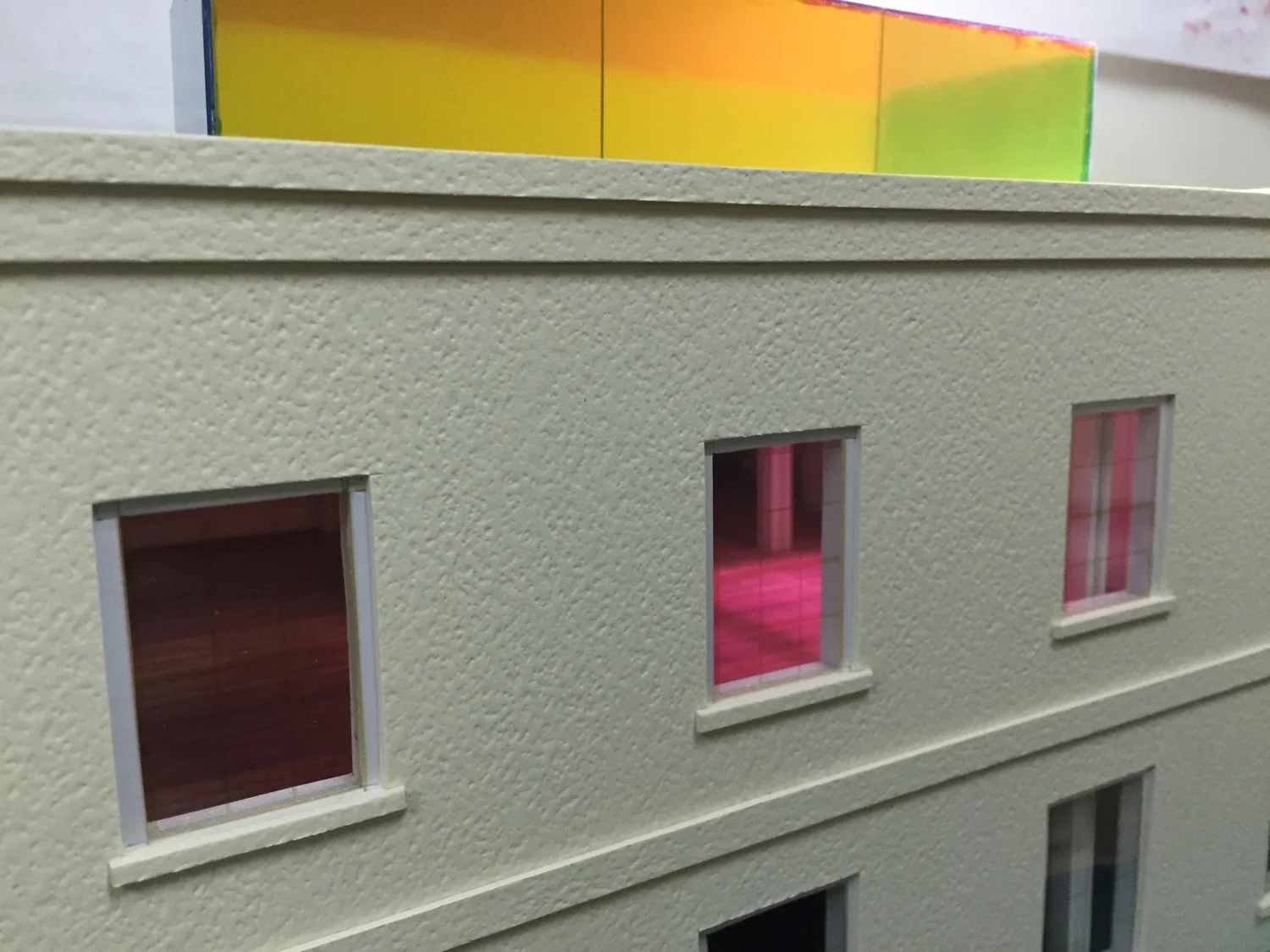
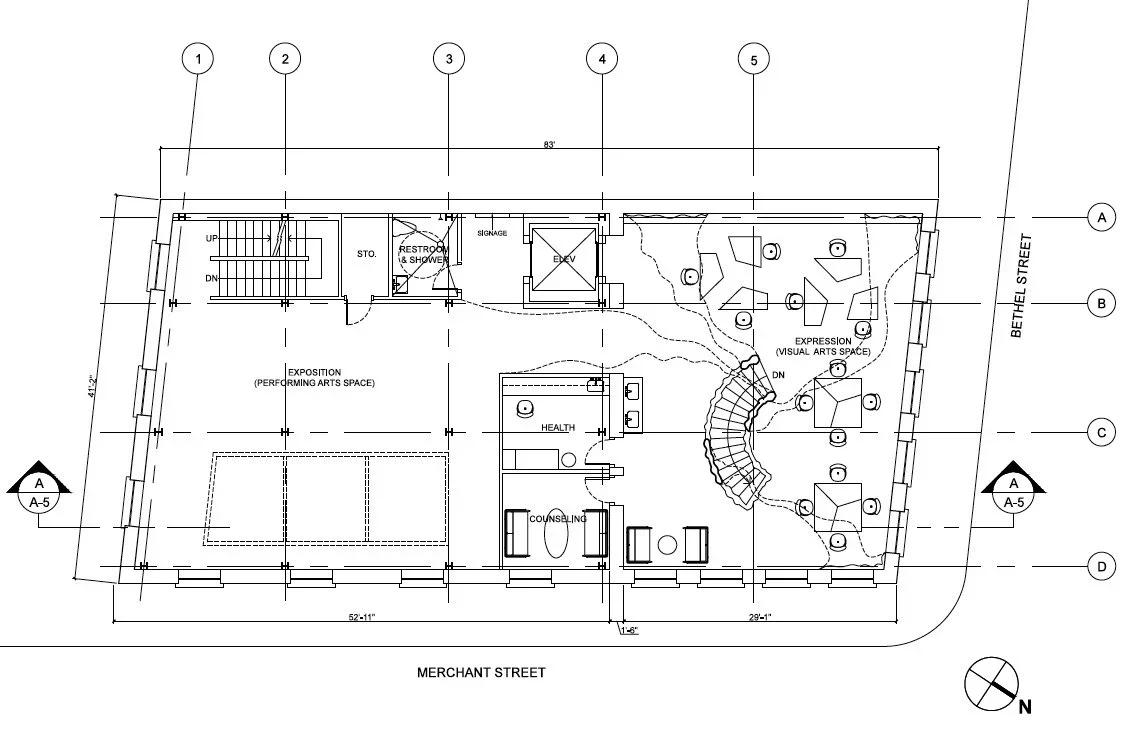
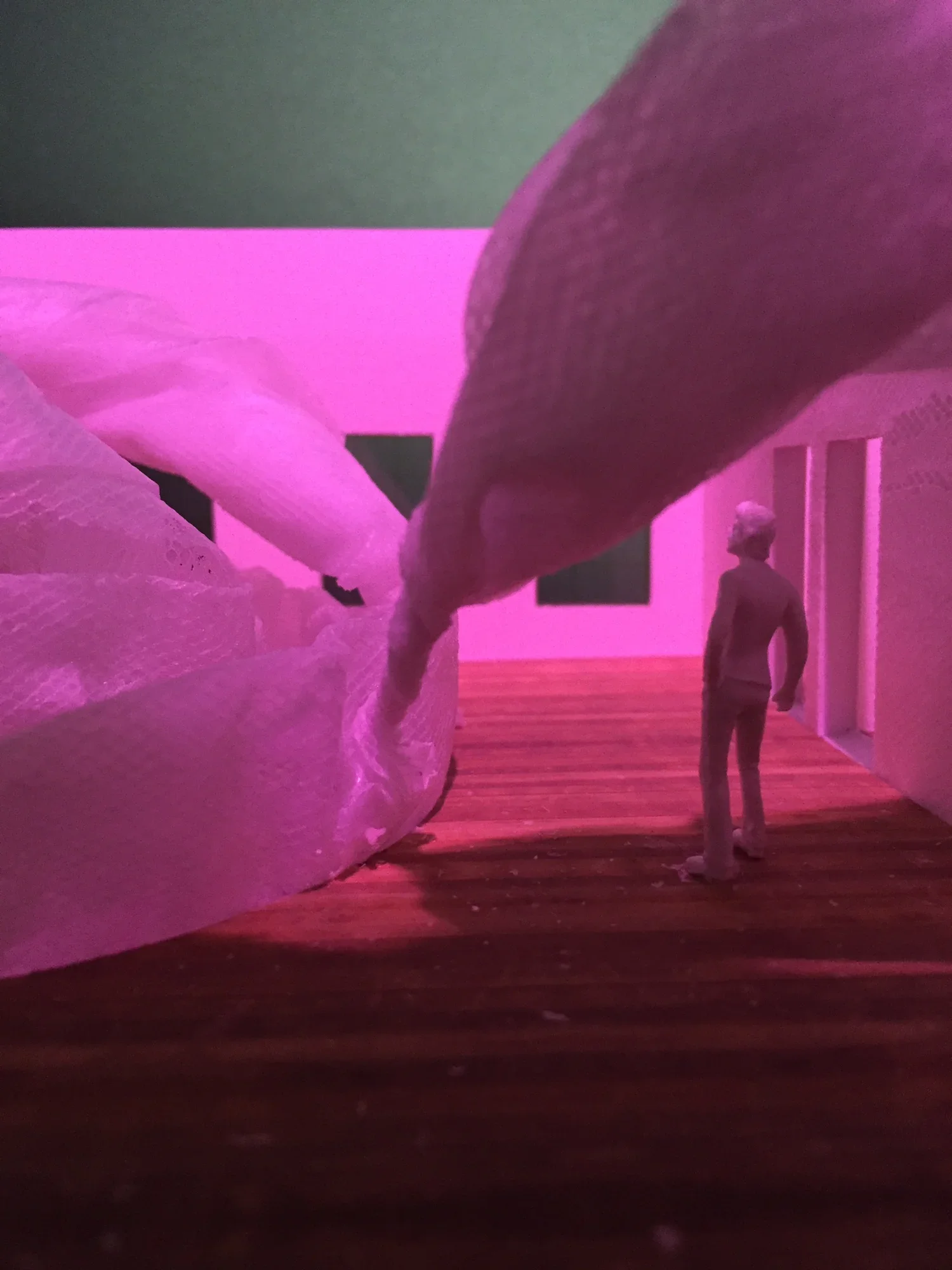
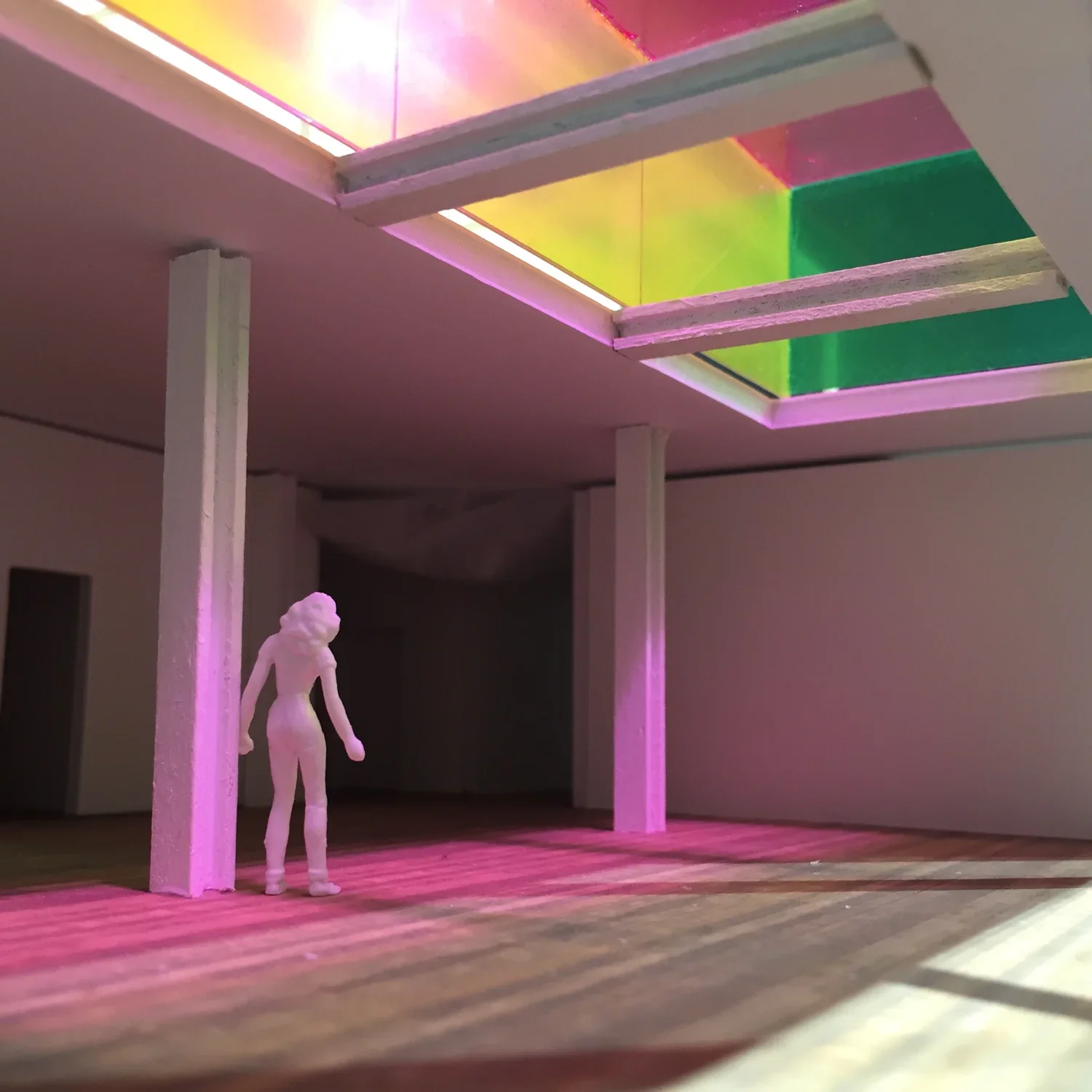
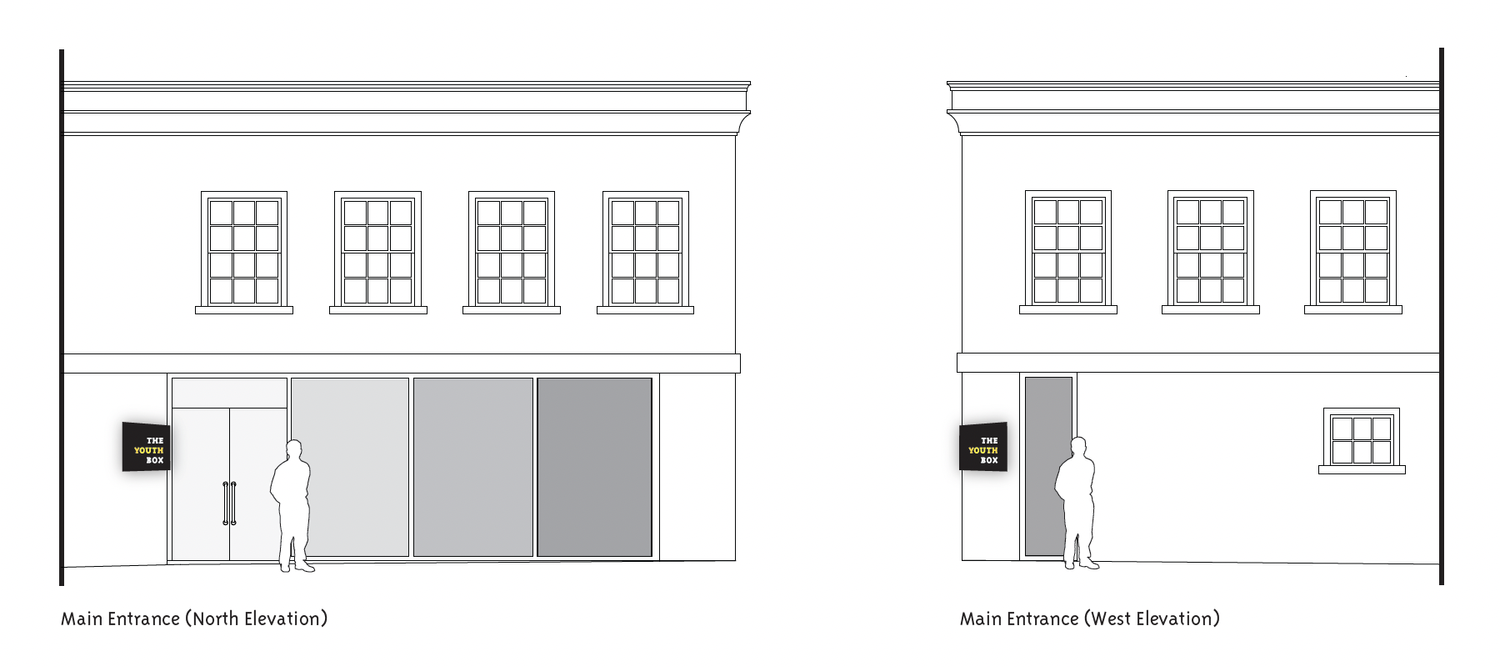
The Storied Rainbows Project doesn't just structure The Youth Box's programs, but shapes how you move through the building itself, a physical transmogrify where the space transforms alongside the youth moving through it. Arrival at Exploration is quiet: from the street, the ground-floor Storied Rainbows gallery sits behind windows shaded in a gray gradient, giving nothing away. Inside, visitors first hear other youths' stories through a wall of interactive recordings, and that pull of recognition draws them further in. A stairway carries them up into Expression, where color begins to build as they move through the counseling rooms and studios where the real work happens. It resolves in Exposition, a final venue space flooded with a prism of color pouring through a multicolored skylight, where the youth showcase and share who they are.
Brand Expression
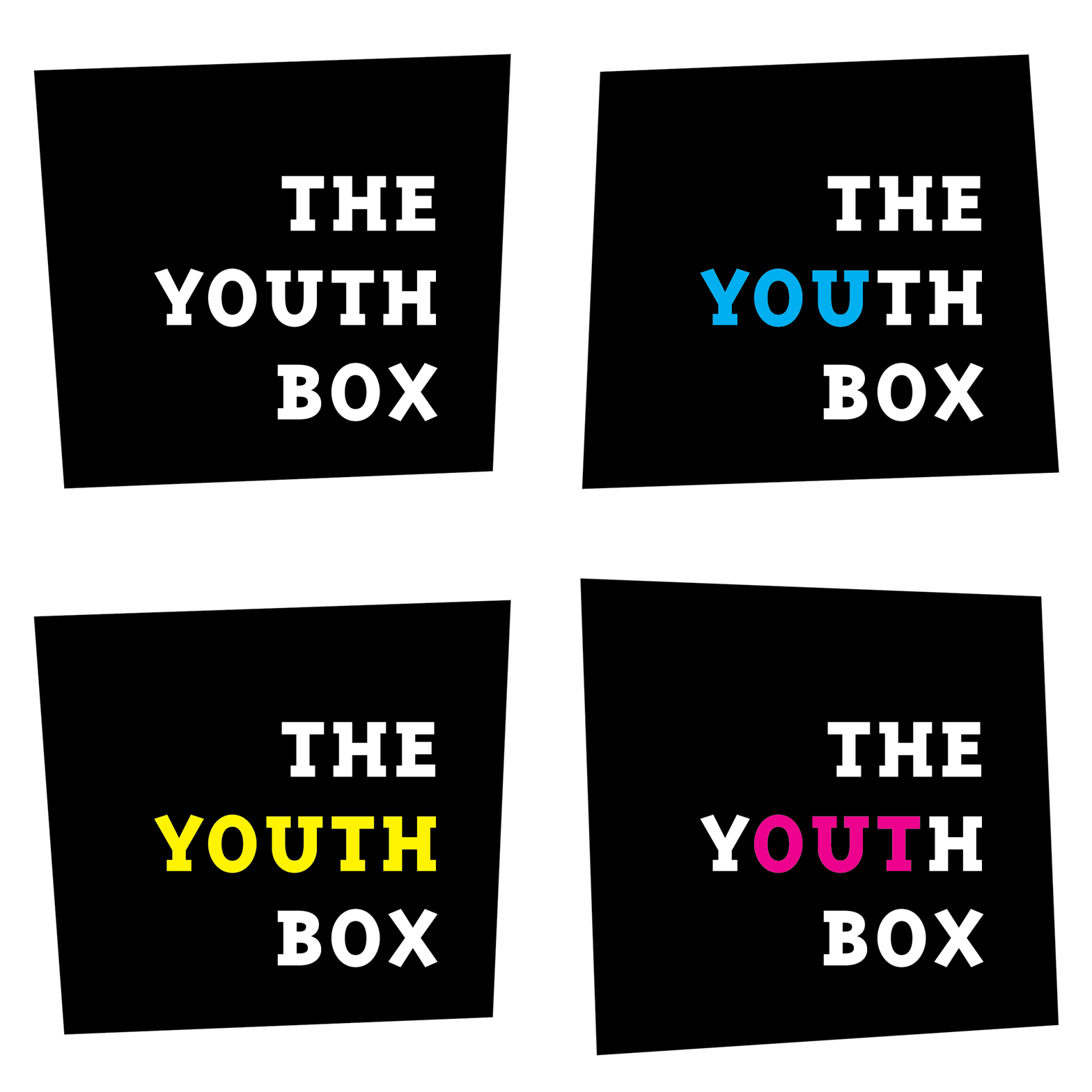
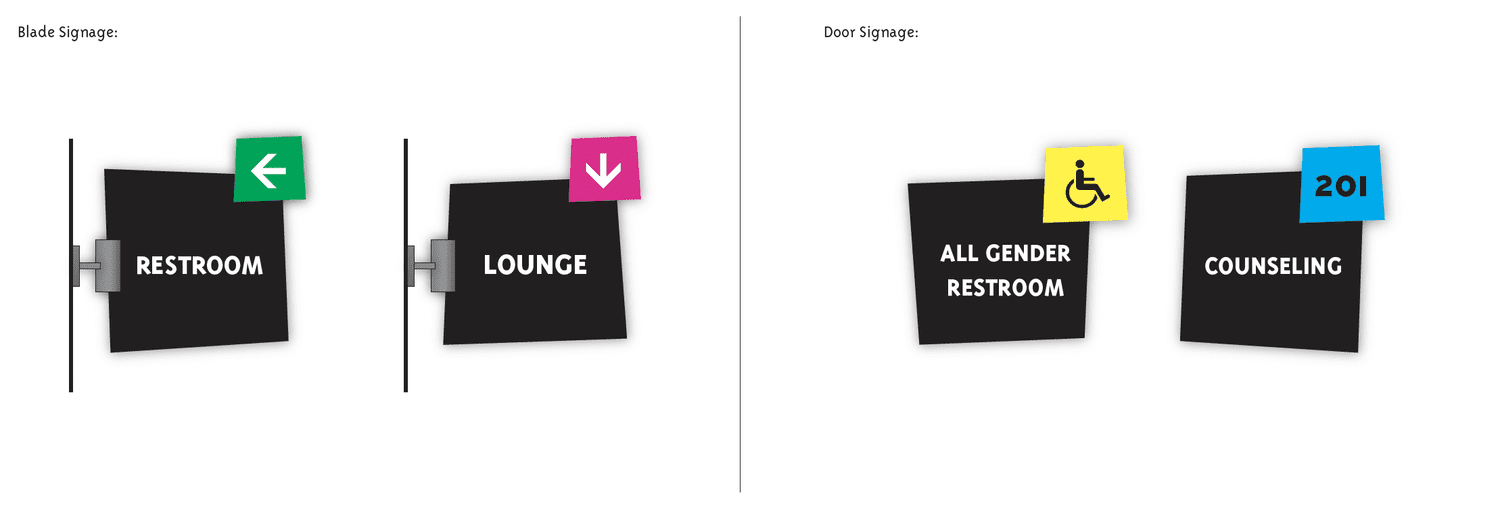
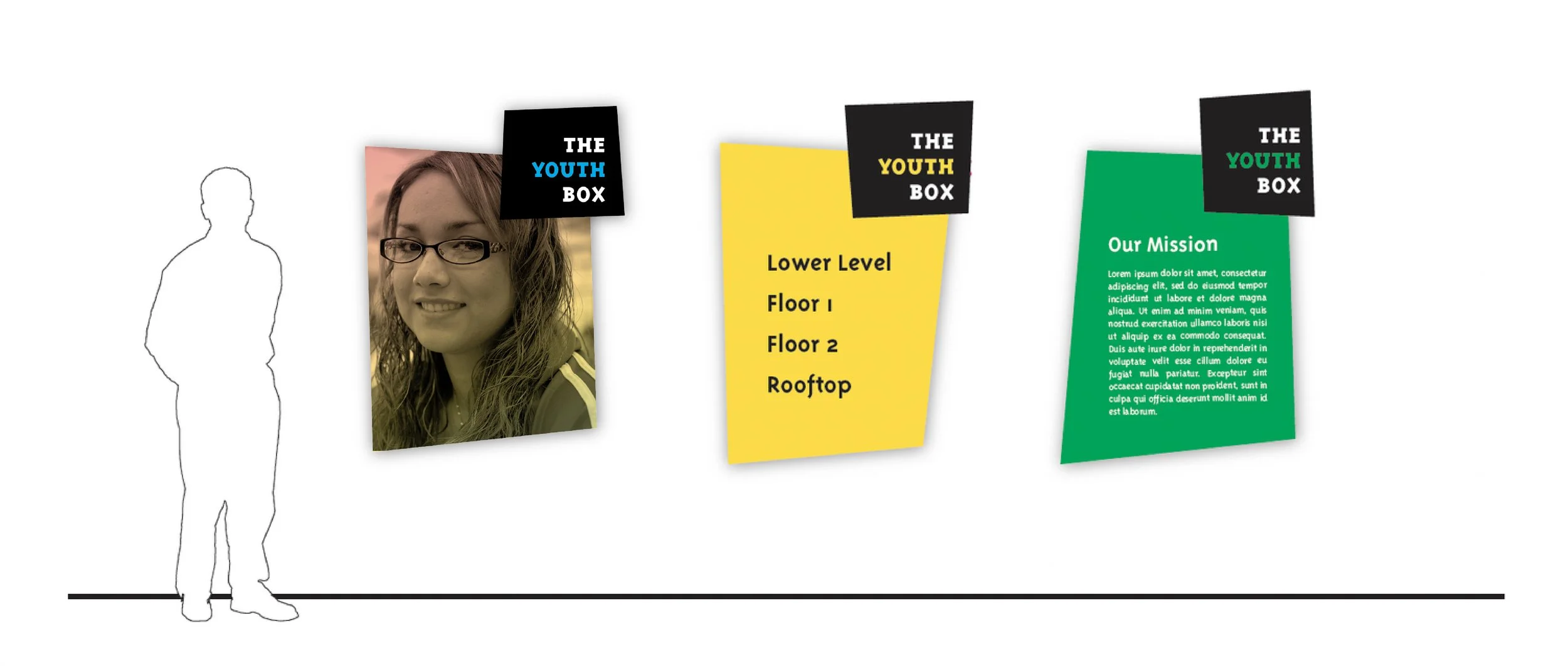
The Youth Box's mark borrows its shape from the building itself. Both sit on an irregular trapezoid, a form neither one set out to have, dictated instead by the angle where Merchant and Bethel Streets meet. Rather than square it off, the identity keeps that skew. The logo, the wayfinding cards, and every blade and door sign carry the same tilted, four-cornered shape, stitched quietly into the system wherever a name or a label needs to sit. It's a way of saying the building is perfectly imperfect, and so is everyone who walks through it. No one needs to arrive squared away to belong here.
Historic photography courtesy of the State of Hawaii. Additional photography by @mrjerryadam. Third-party images, text, and logos are the property of the respective rightsholders. They are used here as part of a undergraduate student presentation for demonstration purposes only.